
Most small business owners think of branding as a logo and a color scheme. Something you sort out once when you’re getting started, then move on from.
That’s an expensive misconception.
Branding is not decoration. It’s the reason a customer chooses you over a competitor with similar pricing and similar services. It’s the reason someone remembers your business six weeks after they first saw it. And when it’s done right, it directly affects your revenue.
What Branding Actually Is
Branding is the complete picture a customer forms about your business before they ever buy from you.
That includes your logo, yes. But it also includes your website, how fast it loads, how easy it is to read, the tone of your social media posts, how your team answers the phone, what your invoices look like, and what people say about you in reviews.
Every single touchpoint either builds confidence or chips away at it. That’s branding.
A business with a clean, professional website, consistent visuals, and a clear message feels trustworthy before a customer even speaks to anyone. A business with an outdated website, inconsistent fonts, and no clear value proposition creates doubt. And doubt kills sales.
The Direct Link Between Branding and Revenue
Here’s where it gets concrete.
Branding reduces price sensitivity. When customers trust a brand, they’re less likely to shop purely on price. A well-branded business can charge more than a generic competitor for the same service because the perceived value is higher. Think about why people pay more for one product over another that does the exact same job. It’s not always quality. A lot of the time it’s trust, familiarity, and how the brand makes them feel.
Branding shortens the sales cycle. A customer who already recognizes your business, has seen your content, and trusts your reputation doesn’t need as much convincing. They arrive closer to a buying decision. That means less time spent on follow-ups, fewer calls needed to close, and lower customer acquisition costs over time.
Branding drives word of mouth. People recommend businesses they’re proud to be associated with. A strong brand gives customers something to talk about. A forgettable one doesn’t. Referrals are still one of the highest converting sources of new business for small and medium companies, and branding is what makes your business referable.
Brand Reputation Management Is Part of the Picture
Your brand isn’t just what you put out. It’s also what people say about you when you’re not in the room.
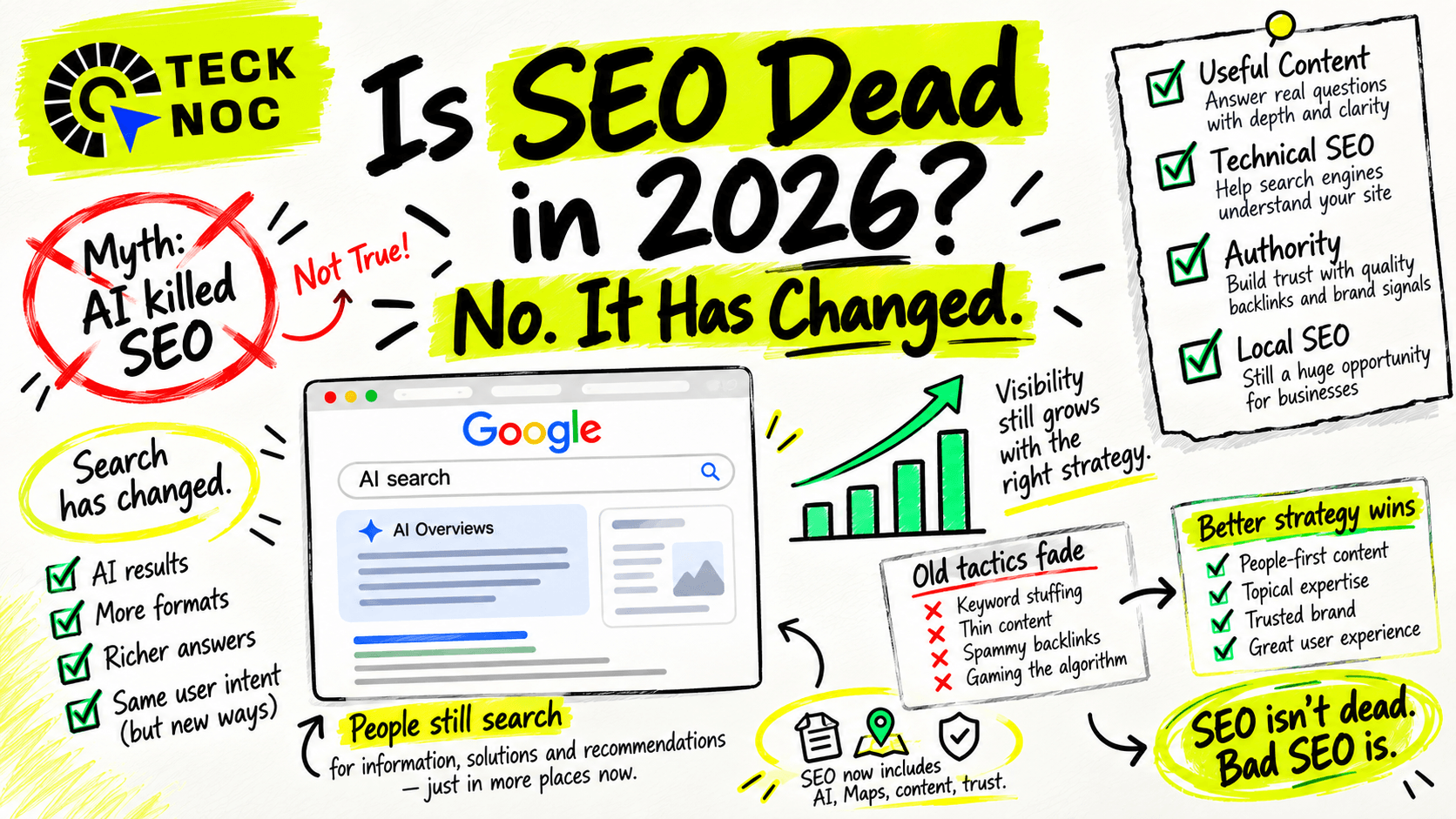
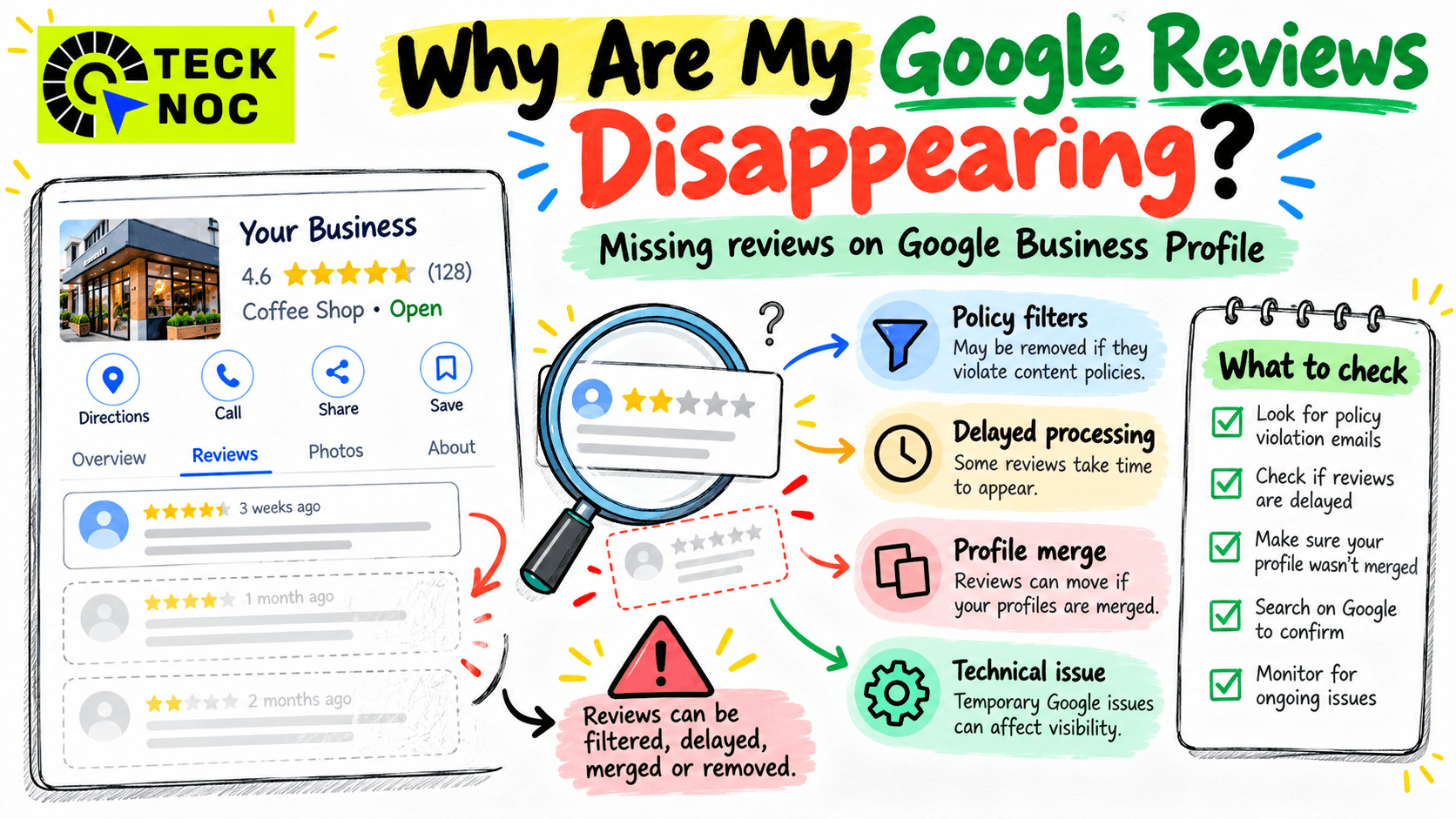
Online reviews, social media mentions, and how your business appears in search results all form part of your brand reputation. A business with a sharp logo but a string of unanswered negative reviews has a brand problem, not just a reviews problem.
Brand reputation management means actively monitoring and shaping how your business is perceived across every channel. That includes responding to reviews, addressing complaints professionally, keeping your business information accurate and consistent, and making sure the first impression someone gets when they search your name is a good one.
For small businesses, this matters more than most realize. A single bad review left unaddressed at the top of your Google profile can quietly cost you customers every week.
Your Website Is Your Biggest Branding Asset
If someone hears about your business and looks you up, your website is the first real experience they have with your brand. It either confirms that you’re credible or raises questions.
A slow website with outdated design, confusing navigation, and no clear call to action tells a visitor that you probably don’t pay much attention to detail. That’s not the message you want to send before someone hires you or buys from you.
Investing in proper web design and branding isn’t a vanity expense. It’s a conversion tool. A well-designed website builds trust faster, keeps visitors engaged longer, and makes it easier for people to take the next step, whether that’s calling you, filling out a form, or making a purchase.
The businesses that treat their website as a living part of their brand, something that gets updated, tested, and improved, consistently outperform those that treat it as a one-time setup task.
What a Strong Brand Does Over Time
The ROI of branding isn’t always immediate. That’s why a lot of businesses deprioritize it. But the compounding effect is real.
A business with a consistent, trustworthy brand builds recognition over months and years. That recognition reduces how hard you have to work to win new customers. It lowers your ad spend because organic trust does some of the heavy lifting. It attracts better clients and better employees. And it makes every other marketing activity more effective because there’s a strong foundation underneath it.
Branding is not separate from your marketing strategy. It is the foundation of it.
Where to Start
If your branding feels scattered, outdated, or inconsistent, the fix doesn’t have to be overwhelming. Start with an honest look at what a new customer sees when they first encounter your business. Your website, your Google profile, your social pages, and your reviews. That’s your brand in practice.
At TeckNoc Inc, as a full service digital marketing agency, we help small and medium businesses build brands that actually support their growth goals, from visual identity and web design through to reputation management and everything in between.
A strong brand won’t fix a bad product. But a weak brand will absolutely hold back a good one.
Ready to build a brand that works as hard as you do? Talk to the TeckNoc Inc team and let’s figure out where to start.