A landscaping company in Austin, Texas, recently realized that while their website traffic was steady, their phone stopped ringing for local jobs. After an audit, they found a competitor two blocks away had claimed the top spot in the google local pack by optimizing for specific near me searches.
This guide explains how to reclaim that visibility and ensure your business is the first choice for customers in your area. This resource helps US based small business owners and marketing managers move beyond basic keywords to build a digital presence that search engines and AI assistants trust.
What is Local SEO for Small Businesses?
Local SEO for small businesses is the strategic process of optimizing your online presence to attract more business from relevant local searches. This practice focuses on improving visibility in the google local pack and organic search results when users look for services within a specific geographic area. Unlike traditional SEO, it prioritizes proximity and local relevance to drive physical foot traffic and phone calls. Understanding Local SEO vs Traditional SEO: What’s the Difference? is the first step in creating a strategy that targets customers in your neighborhood.
What You Will Learn in This Guide
- Google Business Profile Mastery: Learn to claim and optimize your most valuable local asset for maximum visibility.
- Local Keyword Strategy: Identify high intent phrases that your local neighbors actually use when ready to buy.
- Review & Citation Management: Build the trust and local authority needed to outrank established competitors.
- Technical SEO & Schema: Use structured data to communicate directly with search engine crawlers.
- Common Pitfalls: Identify and avoid common mistakes in local Seo for small businesses that kill local rankings.
Why Local SEO is Essential for Growth
Small businesses often operate on thinner margins than national chains. Why is local seo good for small businesses? It levels the playing field by allowing you to capture high intent traffic without the massive costs of national PPC campaigns.
The data supports this: 82% of people use their phones for near me searches, and 46% of all Google searches are for a local business or service. By focusing on a small business local SEO plan, you target the 97% of users who search online to find local companies.
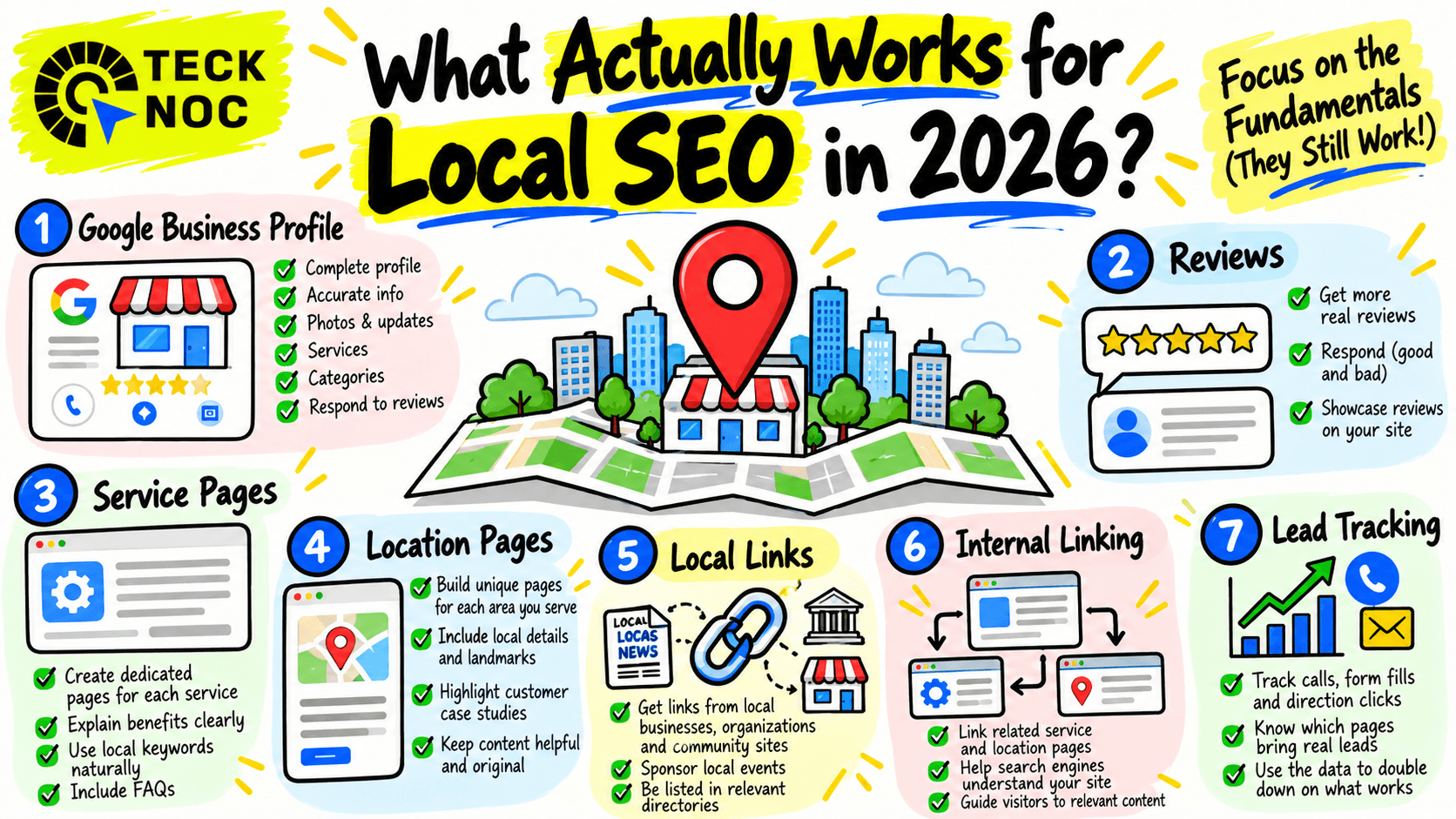
Maximizing Your Google Business Profile
A google business profile is the single most influential factor for appearing in local search results. According to the Google Business Profile Help Center, businesses must keep their profile accurate and updated to improve visibility in Google Maps and local search results. It acts as your digital storefront and provides Google with verified data for map pack rankings. Many business owners ask, Does Google Business Profile Help Local SEO? The answer is an absolute yes, as it is the primary data source for Google’s local algorithm.
Steps for Google Maps Optimization
To achieve a high, google maps ranking, your profile must be 100% complete:
- Select Precise Categories: Use specific primary and secondary categories to improve local rankings.
- Upload High Resolution Photos: Businesses with recent photos receive significantly more requests for directions.
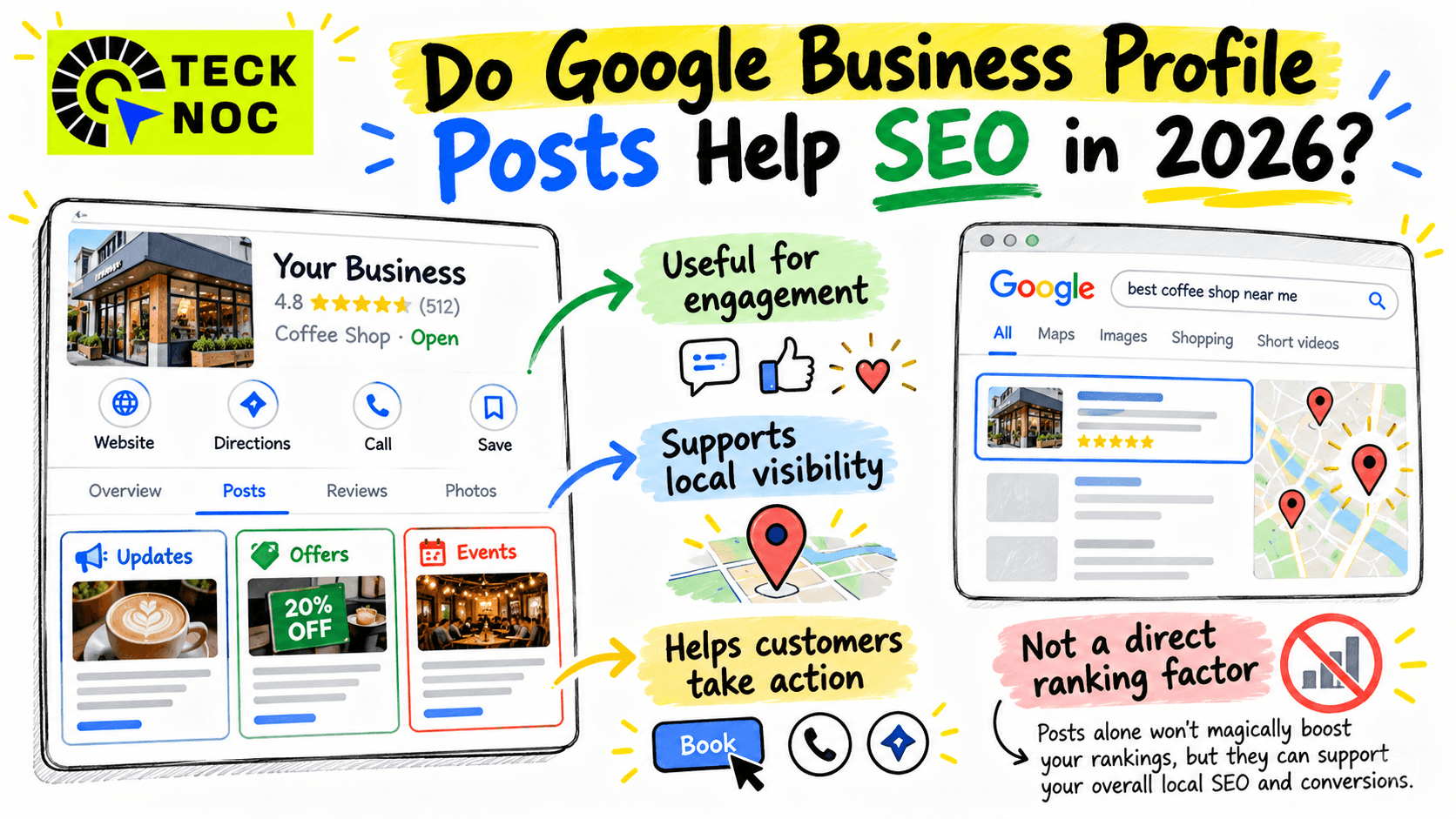
- Utilize Google Posts: Regularly update your profile with offers to signal that your business is active.
Managing Local Search Traffic through GBP
Effective google maps optimization requires ongoing maintenance. Responding to every question in the Q&A section and updating holiday hours prevents negative user experience issues that can lead to a drop in local search rankings.
Local Keyword Research and Content Strategy
Success begins with local keyword research. You must identify the exact phrases your neighbors use when they are ready to buy. Identifying Local SEO Ranking Factors: What Matters Most in 2026 will help you prioritize your local SEO strategy.
Target Geo-Targeted Keywords
Instead of broad terms like plumber, focus on geo-targeted keywords such as emergency water heater repair in Phoenix. These location-based keywords have lower search volume but much higher local search intent.
Developing Geo-Targeted Content
Create local landing pages for every city or major neighborhood you serve. This content optimization strategy helps search engines understand your service area pages and their relevance to local users.
| Feature | Purpose | AI Benefit |
| Location Pages | Targets specific neighborhoods | Improves local search results accuracy |
| Service Area Pages | Defines where you travel | Helps in search engine indexing for regional queries |
| Geo-targeted Content | Mentions local landmarks | Increases local authority and trust |
Technical Local On-Page SEO
Your website must be technically sound to support local on-page optimization. Search engines need clear signals to connect your website to your physical location.
Implementing Schema for Local Authority
Schema markup is a form of structured data that helps search engines understand your data. Using these specific types is vital for search engine crawling:
- Local Business Schema: Clearly defines your address, phone number, and opening hours for AI and search bots.
- FAQ Schema: Increases the chance of appearing as a featured snippet or in AI Overviews.
- Review Schema: Displays those coveted star ratings directly in the search results to build trust.
Essential Local SEO Checklist
- Title Tags: Include your primary service and city name naturally.
- Meta Descriptions: Write compelling summaries that encourage clicks from local users.
- Header Tags: Use H1 and H2 tags to organize your content logically for readers.
- Mobile Optimization: Ensure your site is responsive as most local searches happen on mobile devices.
- Page Speed Optimization: Improve your core web vitals to prevent users from bouncing to competitors.
Building Trust with Online Reviews and Citations
Trust is a primary ranking factor. Google uses online reviews and business listings to verify that your company is reputable and currently operating.
Review Management Strategies
High star ratings are the strongest review signals you can send.
- Respond to All Reviews: Even negative feedback is an opportunity to show excellent customer service.
- Focus on Velocity: Aim for a steady stream of online reviews to signal ongoing reliability.
Citation Building and NAP Consistency
Local citations are mentions of your business-on-business directories like Yelp. Maintaining nap consistency Name, Address, Phone across all online business listings is nonnegotiable. Inconsistent data confuses search engines and hurts your local search visibility.
Local Off Page SEO for Small Businesses
To build local authority, you need local link building. This involves getting links from other relevant local websites rather than just generic national ones.
Effective Local Link Strategies
- Community Backlinks: Sponsor a local Little League team or charity event to get a link from their Sponsors page.
- Local Backlinks from News: Reach out to local journalists with unique stories about your business or regional industry trends.
- Partner with Non-Competitors: Exchange local backlinks with complementary local businesses like florists and photographers.
Optimizing for Voice Search and AI Answer Engines
With the rise of smart speakers, voice search optimization is no longer optional. Voice search queries are typically longer and more conversational. Businesses that invest in Professional SEO Services can structure their content to answer questions like “who is the best” or “where is the closest,” helping them capture high-intent local traffic. This approach is now a core part of an advanced local SEO strategy.
Common Mistakes and Challenges
Learning how to improve local seo for small businesses also means knowing what pitfalls to avoid. Learning to identify Common Local SEO Mistakes That Hurt Rankings can save you months of wasted effort. Common issues include:
- Using a PO Box: Google requires a physical location to rank in the map pack.
- Keyword Stuffing: Overloading your content with city names hurts the user experience.
- Neglecting Local SEO Reporting: Without a local seo audit, you cannot see which local seo tactics for small businesses are working.
Frequently Asked Questions
1. How Long Does It Take to See Results?
It typically takes three to six months to show significant ranking improvements in the Google Map Pack. Search engines must verify your nap consistency and observe a steady velocity of customer reviews before fully trusting your profile.
2. Can I Improve Local SEO On a Zero Budget?
Yes, you can improve your digital presence by claiming your google business profile, gathering organic reviews, and writing geo-targeted content. Focus on meta tags optimization using your specific town name to improve local rankings for free.
3. Is Local SEO Better Than Google Ads?
Local SEO provides a more sustainable, long term local lead generation solution compared to paid ads. While ads offer immediate visibility, organic local search builds lasting trust and local authority that remains after the budget ends.
4. What Is the Biggest Performance Bottleneck?
Slow page speed optimization and poor mobile search optimization are the most common bottlenecks. If your site does not load instantly on a phone, you will lose customers regardless of your ranking because core web vitals are now critical search engine indexing signals.
5. Why Is My Business Not Showing in The Map Pack?
Common reasons include a lack of nap consistency across business directories, a missing or unverified google business profile, or a lack of recent online reviews. Competitive markets also require stronger local link building and structured data like Local Business schema.
Conclusion
Mastering local SEO for small businesses is the most effective way to turn online searches into offline customers. By prioritizing your Google Business Profile, maintaining strict NAP consistency, and utilizing advanced schema markup, you build a foundation of trust with both users and search engines. While results are not immediate, the long-term local lead generation provided by an organic strategy far outweighs the temporary boost of paid advertising.